
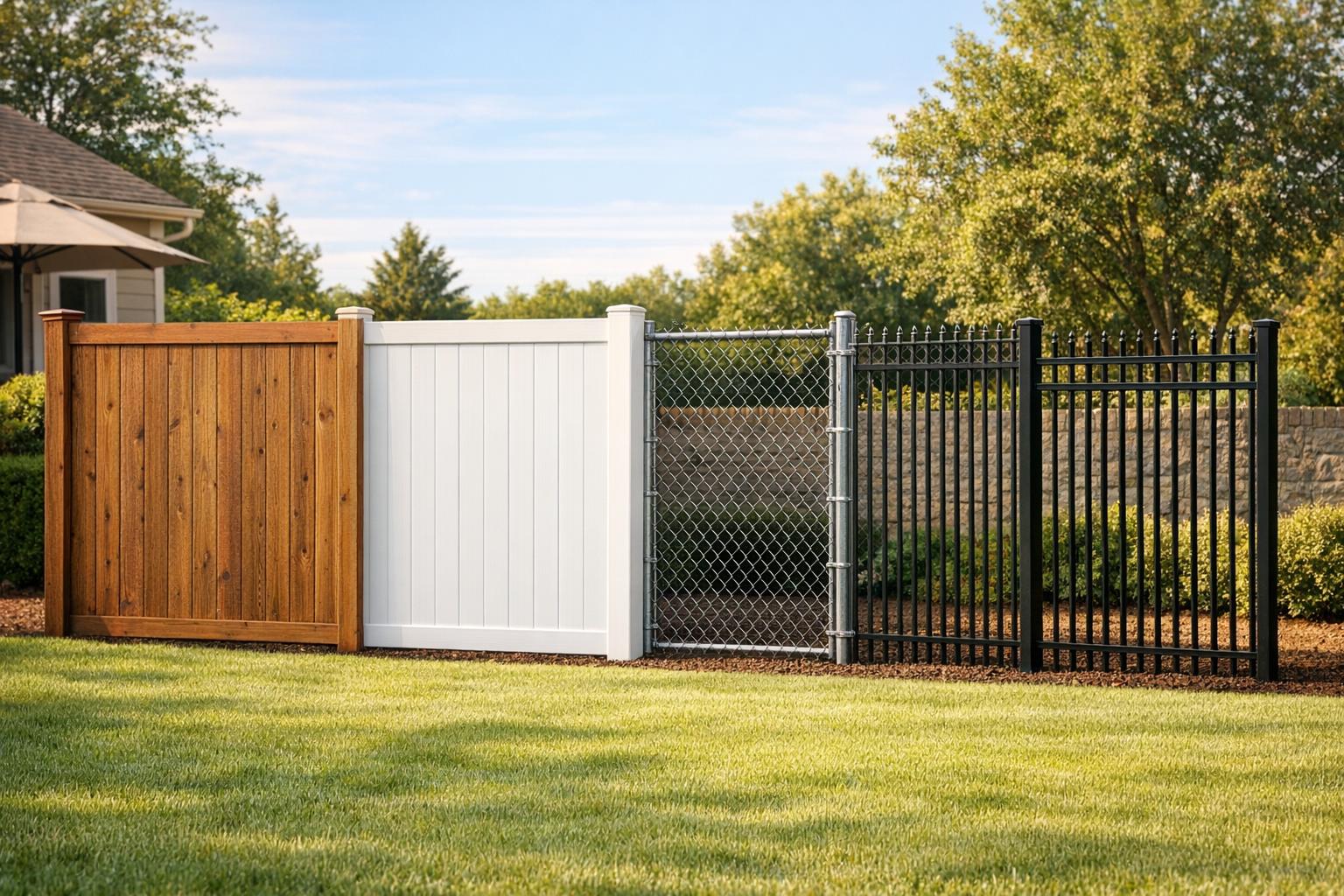
Choosing the Right Fence Material for Your Home
When it comes to installing a new fence, the sheer number of options can make your head spin. Should you go for the classic charm of wood or the sleek durability of aluminum? Maybe a budget-friendly chain link is more your speed. Whatever your needs, finding the perfect barrier for your property starts with understanding the trade-offs between cost, upkeep, and style. A well-designed fence not only boosts security but also elevates your home’s overall look, so it’s worth taking the time to compare.
Key Factors to Consider
Start by thinking about what matters most to you. If saving money is the goal, some materials offer lower upfront costs but might need more care over time. If you’re after something that lasts with minimal effort, durability becomes the priority. And let’s not forget aesthetics—your fence should match your home’s vibe. Tools that help you weigh these factors can be a game-changer, guiding you toward a choice that fits both your wallet and your vision. Beyond that, consider your local weather and how much time you’re willing to spend on maintenance. With a little research, you’ll land on a solution that checks all the boxes for your yard.
FAQs
How do I know which fence material is best for my climate?
Climate plays a big role in fence longevity. Wood can rot in humid or rainy areas unless it’s treated regularly, while vinyl holds up well against moisture but might crack in extreme cold. Chain link is super durable in most conditions, though it can rust without a protective coating. Aluminum is a champ in harsh weather—think coastal areas with salty air—since it doesn’t corrode. Think about your local weather patterns and pair that with the tool’s durability ratings to make a smart pick.
Is a cheaper fence material worth it in the long run?
Not always! While chain link often wins on upfront cost (around $8-$15 per linear foot), it might need more frequent repairs or replacement if it rusts. Wood is affordable too, but the maintenance—like staining or sealing—adds up over time. On the flip side, pricier options like aluminum ($25-$40 per foot) can save you money long-term since they’re low-maintenance and last for decades. Use our tool to weigh initial cost against durability and upkeep based on what matters most to you.
Can I mix fence materials for style and savings?
Absolutely, and it’s a creative way to balance cost and curb appeal! Some homeowners use wood for privacy in the backyard and chain link along less visible property lines to save money. Or, you might pair aluminum posts with vinyl panels for a modern look that’s still durable. Just keep in mind that mixing materials can complicate installation, so chat with a contractor if you’re unsure. Our tool can help you compare the individual strengths of each material to craft your ideal combo.