
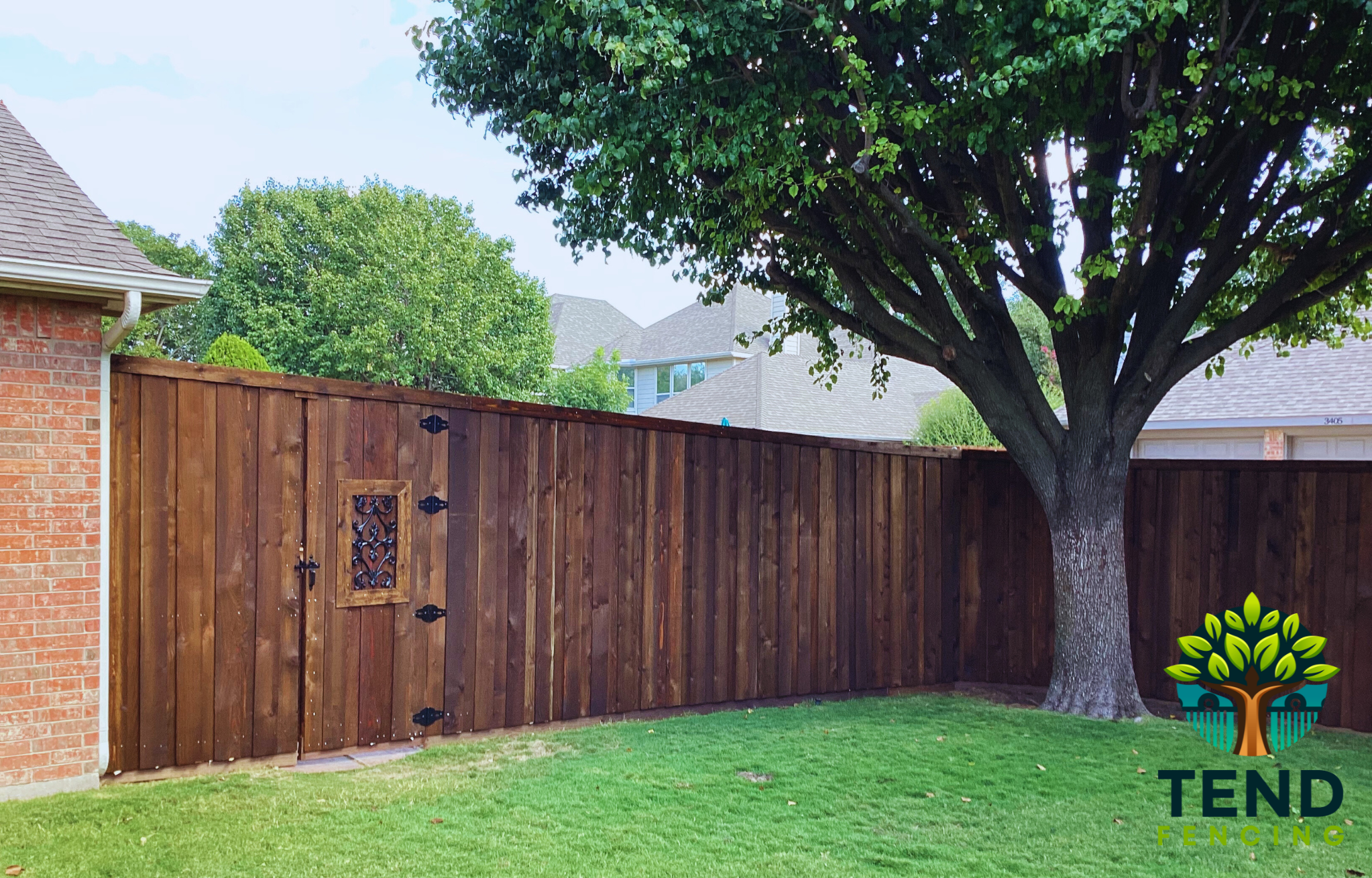
A well-designed fence can boost your property value by improving appearance, security, and functionality. It defines boundaries, enhances curb appeal, and creates usable outdoor spaces. Choosing durable materials like vinyl, cedar, or ornamental iron ensures low maintenance and long-term benefits. Fencing also offers privacy, deters intrusions, and appeals to buyers looking for ready-to-use outdoor spaces. Below are the key ways fencing adds value:
- Curb Appeal: Attractive fences like cedar, vinyl, or ornamental iron improve your property’s exterior.
- Security: Sturdy designs deter intruders and may reduce insurance premiums.
- Clear Boundaries: Prevent disputes with well-marked property lines.
- Privacy: Essential for families and pet owners seeking peace of mind.
- Outdoor Functionality: Define spaces for activities, storage, or relaxation.
- Market Appeal: Homes with fences often sell faster and at higher prices.
- Durability: Long-lasting materials like vinyl and aluminum require minimal upkeep.
Selecting the right fence material and design tailored to your property ensures both practical and aesthetic benefits, making it a worthwhile investment.
1. Better Curb Appeal with Attractive Fencing
Visual Appeal and Curb Improvement
The front of your property sets the tone for how it’s perceived. A thoughtfully designed fence can instantly elevate the look of your home or business, giving it a polished and intentional appearance.
Cedar wood fencing brings a natural warmth and texture that works beautifully with both traditional and modern architecture. Its rich grain and warm tones not only enhance the property’s look but also age gracefully over time. For a more sophisticated touch, ornamental iron fencing adds elegance, making it a great choice for brick homes, colonial designs, or businesses aiming for a professional vibe.
Prefer a sleek, low-maintenance option? Vinyl fencing offers clean lines and consistent coloring that stays attractive year after year. White vinyl evokes a timeless picket fence charm, while tan and gray options cater to contemporary tastes. The uniformity of vinyl fencing creates a sense of order and care that potential buyers will appreciate.
It’s essential to match your fence to your home’s exterior. For instance, white vinyl pairs nicely with navy, gray, or earth-toned siding, while dark ornamental iron creates a striking contrast against lighter-colored homes.
A 4-foot decorative fence can define your space without obstructing architectural views, making it ideal for front yards. On the other hand, taller privacy fences are better suited for backyards, where they won’t block the view of your home’s design from the street.
Equally important is selecting materials that require little upkeep, ensuring your fence maintains its charm over time.
Durability and Maintenance Requirements
Low-maintenance fencing materials are key to preserving long-term curb appeal, as they keep your property looking well-kept without constant effort. A worn or damaged fence can detract from your home’s value.
Vinyl fencing is virtually maintenance-free, needing only an occasional wash with soap and water. It resists fading, cracking, and warping, keeping your property looking sharp for decades. Cedar fencing, while durable, requires periodic care, such as staining every 3-4 years, but its natural oils help protect against moisture and pests, allowing it to last 15-20 years with proper upkeep.
For a long-lasting, elegant option, ornamental iron fencing stands out when professionally powder-coated. Modern powder coatings create a tough finish that resists rust, chipping, and fading, ensuring the fence retains its refined look for years.
2. Better Security for Peace of Mind
Security Features and Deterrence
A sturdy fence serves as your property’s first line of defense, discouraging unwanted intrusions. For many homebuyers, security is a top concern, and homes with well-thought-out fencing often sell faster and fetch higher prices in neighborhoods where safety matters most.
Take vinyl fencing, for example. Thanks to its smooth, seamless design, it’s tough to climb – offering no footholds for intruders. This makes it an excellent choice for creating a secure boundary.
Metal fences, such as wrought iron or aluminum, also enhance security while offering durability that can last 25–30 years with minimal upkeep. Wrought iron adds a touch of sophistication, while aluminum provides strength at a more affordable price. Plus, their open designs allow for clear visibility, making it easier to monitor your property without sacrificing security.
Modern technology takes fencing to the next level. Motion-activated lights, automated gates, and built-in security cameras can turn an ordinary fence into a comprehensive safety system. These upgrades not only provide round-the-clock protection but also make your property more appealing to today’s tech-savvy buyers.
Beyond deterring theft, a well-constructed fence can even reduce your insurance premiums. The key is choosing durable, low-maintenance materials that stand the test of time.
Durability and Maintenance Requirements
The longevity of your fence plays a big role in maintaining security. Materials like concrete, stone, brick, or stucco are excellent choices for masonry fences. These weather-resistant options can last over a century, reduce noise, and even deliver a return on investment of 50–75%.
Composite fencing is another standout option. Made from recycled materials, it mimics the look of wood but without the hassle of rot, warping, or termites. It’s a low-maintenance, eco-friendly choice for homeowners seeking both reliability and sustainability.
For added peace of mind, keep a record of your fence’s condition – it can be helpful for insurance claims.
“A fence is a great selling point in real estate. I would suggest selecting a durable material that requires minimal upkeep, that is appealing to the home and complements the neighborhood’s aesthetics. You wouldn’t want to add anything out of the ordinary as it could potentially do the opposite and deter potential buyers.”
– Amber Kuefner, Ocala, Florida real estate agent
3. Clear Property Lines to Prevent Disputes
Durability and Maintenance Requirements
Unclear property boundaries can lead to disputes with neighbors, making clear and well-defined borders a smart investment for peace of mind and buyer confidence.
Durable markers like steel posts, concrete, or stone are excellent for weather-resistant boundary lines. For example, metal fence posts anchored in concrete footings provide a stable and long-lasting solution, even in extreme weather conditions.
Chain-link fencing is another practical option for marking property lines. It’s cost-effective and low-maintenance. Opting for galvanized chain-link fencing with a vinyl coating can further protect against rust, even in challenging climates.
Before installing any fence, it’s a good idea to get a professional survey to confirm the exact property lines. Many homeowners have discovered discrepancies between assumed and actual boundaries, making an updated survey a crucial step to avoid future conflicts.
Privacy and Functionality for Property Use
A well-placed fence does more than just mark boundaries – it enhances privacy and defines shared spaces. Disputes often stem from unclear divisions of shared spaces or responsibilities like lawn care and landscaping. A fence removes ambiguity, making it clear where one property ends and the other begins.
In suburban areas, easement protection is another key benefit of fencing. Easements often involve utility lines, drainage systems, or shared driveways that cross property boundaries. A fence can clearly separate the land under your control from areas governed by easement agreements, offering clarity for homeowners and potential buyers alike.
Wooden privacy fences, made from materials like cedar or pressure-treated pine, are a great choice for marking boundaries while also creating functional outdoor spaces. These materials naturally resist rot and insect damage, and with regular staining and sealing, they remain dependable over time. Such fences help prevent accidental encroachment during landscaping or other property improvements.
Additionally, a professionally installed fence can serve as an official record of your property limits, which could be invaluable for resolving boundary-related questions in the future. Modern GPS technology allows contractors to pinpoint property corners with exceptional accuracy, ensuring your fence is perfectly aligned with your land and avoids encroaching on neighboring lots. This precision protects your investment and helps prevent misunderstandings down the road.
4. More Privacy for Families and Pet Owners
Privacy and Functionality for Property Use
Privacy isn’t just about keeping prying eyes away – it’s about creating a sanctuary where you can truly enjoy your outdoor space. A thoughtfully designed privacy fence turns your yard into an extension of your home, offering a secure and peaceful area for relaxation, family time, or your pets to roam freely. With a sturdy privacy fence, you can enjoy your backyard to the fullest without worrying about outside distractions.
For families with children, a privacy fence offers more than just peace of mind. It creates a safe, enclosed area where kids can play freely without the need for constant supervision or concerns about nosy neighbors. It also helps parents feel less worried about noise or activity levels disrupting the neighborhood.
Pet owners, too, reap the rewards of privacy fencing. Pets, especially dogs, can exercise and explore in a secure space without the need for leashes. Solid wood or vinyl fences not only keep pets contained but also help reduce distractions that might lead to excessive barking. This combination of freedom and safety is increasingly appealing to homebuyers, many of whom are willing to pay more for homes that cater to pet-friendly living.
Durability and Maintenance Requirements
When it comes to privacy fencing, durability and maintenance are key considerations. Cedar fences remain a popular choice because they naturally resist rot, insects, and weather damage. With proper care – such as staining every 3 to 5 years – cedar fences can maintain their privacy and functionality for years.
Vinyl fences, on the other hand, offer a low-maintenance alternative. Although they come with a higher upfront cost, they require little to no upkeep, making them a cost-effective choice in the long run. They provide consistent privacy and hold up well over time without the need for regular treatments or repairs.
In areas prone to harsh weather, composite fencing is a great option. It combines the natural look of wood with enhanced durability, standing up to moisture and UV exposure while maintaining its privacy features year after year.
Visual Appeal and Curb Improvement
Privacy fences can do more than just block views – they can enhance the overall look of your property. Decorative options like lattice tops, scalloped edges, or built-in planters add character and charm while still serving their primary purpose. These design elements help privacy fences blend seamlessly into the landscape, making them feel less like barriers and more like thoughtful additions to your outdoor space.
Placing privacy fences strategically can also frame outdoor areas, creating intentional, well-defined spaces. Incorporating materials like stone posts or metal accents can elevate the fence’s design, adding a touch of sophistication while maintaining practical benefits.
Fences that balance full privacy with tasteful design not only enhance the usability of your outdoor space but also increase curb appeal. This combination of function and style can significantly boost property values, making privacy fencing an investment that pays off in more ways than one.
5. Usable Outdoor Spaces for Activities and Storage
Privacy and Functionality for Property Use
Adding a well-thought-out fence can turn an open yard into a series of useful outdoor spaces, each with its own purpose. Whether it’s a spot for kids to play, a designated work area, or a place to store seasonal items, fencing helps define these spaces while giving you the privacy to enjoy them fully.
For storage, an enclosed fence is a game-changer. With a standard 6-foot privacy fence, you can keep lawn mowers, bicycles, or outdoor furniture tucked away safely and out of sight. This not only keeps things organized but also prevents clutter from affecting the look – and potentially the value – of your property.
Fencing also opens up opportunities for hobbies and outdoor activities. Want a garden space, a workshop, or a play zone for the kids? The privacy and security of a fenced yard make these ideas both practical and enjoyable. Plus, it ties in nicely with the added security and aesthetic upgrades discussed elsewhere.
Security Features and Deterrence
Fencing isn’t just about marking boundaries; it’s also a solid way to protect your property. A sturdy fence with a locked gate helps keep outdoor equipment and recreational areas safe from theft.
If you have a pool, hot tub, or similar features, fencing becomes even more important. Many local codes require enclosures for these areas, specifying fence height and gate mechanisms for safety. Beyond compliance, it provides peace of mind.
A well-maintained fence also keeps your property secure by discouraging potential intruders. It limits visibility into your yard, making it harder for anyone to scope out your routines or spot valuable items. Choosing durable materials ensures your fence stays effective and functional for years to come.
Durability and Maintenance Requirements
When it comes to fencing materials, durability and maintenance needs vary. Aluminum, steel, and composite are popular options, each with its own strengths.
- Aluminum fencing is a low-maintenance choice that resists warping and rotting, making it great for busy families who want a functional yard without constant upkeep.
- Steel fencing offers unmatched strength and durability. With occasional rust prevention, it’s a reliable, long-term option for securing valuable outdoor equipment.
- Composite fencing combines the look of wood with enhanced durability. It withstands wear and tear from active use and requires only occasional cleaning to maintain its appearance. While it may cost more upfront, it pays off in longevity.
Visual Appeal and Curb Improvement
Fencing doesn’t just serve practical purposes – it can also boost your property’s curb appeal. Thoughtful design elements like pergola-style tops, built-in planters, or mixed materials can help your fence blend seamlessly with your landscaping.
Coordinating the fence color with outdoor structures adds a polished, cohesive look. Neutral tones like charcoal, bronze, or natural wood shades complement most landscapes without overpowering them.
For a balanced design, consider using different fence heights and styles. For example, a shorter, decorative fence can define a garden or seating area, while taller privacy fencing can enclose storage or workshop spaces. This layered approach enhances both the functionality and visual interest of your outdoor areas, ultimately adding to your property’s overall value.
sbb-itb-d1d0a96
6. Better Market Appeal and Faster Property Sales
Visual Appeal and First Impressions
A thoughtfully designed fence can instantly elevate a property’s curb appeal, leaving potential buyers with a positive first impression. Modern designs – like horizontal slats or mixed-material fences – paired with clean lines and complementary colors, suggest a property that’s well-maintained and move-in ready. This visual polish can give a home a competitive edge in the market.
Many buyers find it hard to imagine potential upgrades when viewing a property. A home that already looks finished and stylish has a clear advantage over one that appears to need work.
Privacy and Usability
More than ever, buyers are prioritizing private outdoor spaces that are ready for relaxation, entertaining, or family activities. A fenced yard signals that these features are already in place, saving buyers the time and cost of future upgrades.
Fencing also appeals to specific lifestyles. Families with children see the safety benefits of a secure yard, while pet owners appreciate the practicality of a contained space. These functional perks often make a property more appealing compared to similar listings in the area.
Additionally, fences help define property boundaries clearly, giving buyers a better sense of the yard’s size and layout. This clarity removes any guesswork about the space and makes the decision-making process easier.
Security and Added Value
Fencing with security features – such as gated access or solid designs – can reassure buyers by offering immediate protection without extra costs. This added sense of safety enhances the overall appeal of the property.
Insurance savings can also be a hidden benefit. Homes with sturdy fencing may qualify for reduced homeowner’s insurance premiums, adding financial value that savvy buyers often consider during their evaluations.
Durability and Low Maintenance
Buyers are drawn to homes that require minimal effort to maintain. A new or well-kept fence made from materials like vinyl or composite not only looks great but also reduces future upkeep costs. This combination of style and practicality adds to the property’s overall value.
The long lifespan and warranties associated with high-quality fencing materials are another selling point. Buyers see recently installed, durable fences as a long-term investment, providing peace of mind that they won’t need to worry about replacements anytime soon.
7. Long-Term Value with Durable, Low-Maintenance Materials
Durability and Maintenance Requirements
Opting for fencing made from durable, low-maintenance materials not only enhances your property’s appearance but also ensures its value holds up over time. Materials like vinyl, aluminum, and composite fencing are designed to last, requiring far less upkeep than traditional options.
Take vinyl fencing, for example. It resists common issues like rot, warping, and fading that often plague wood fences. It handles various weather conditions with ease and only needs occasional cleaning to stay in top shape. Aluminum fencing offers similar advantages, adding exceptional strength and rust resistance. Thanks to quality powder-coated finishes, it retains its color and performance even after prolonged sun exposure. Composite fencing, on the other hand, combines the natural look of wood with modern durability. It’s engineered to resist pests, moisture, and temperature swings, keeping maintenance costs low while maintaining an elegant appearance for years.
Visual Appeal and Curb Improvement
Durable fencing materials are a smart choice for maintaining a polished, attractive look over time, which directly supports curb appeal and property value. Unlike wood fences that weather and age quickly, vinyl and aluminum options stay fresh and vibrant for much longer.
Advancements in manufacturing have made it possible to replicate the natural look of wood grain with incredible accuracy. Vinyl fencing now comes in a variety of textures and colors that mimic wood, while aluminum options offer sleek, elegant designs without the hassle of constant maintenance. A well-maintained fence not only enhances the overall aesthetic but also creates a positive first impression, signaling to potential buyers that the property is well cared for.
Privacy and Functionality for Property Use
Fencing made from low-maintenance materials offers long-lasting privacy and functionality without the wear and tear that compromises performance. Vinyl privacy fencing, for instance, retains its structure and appearance over time, ensuring your outdoor spaces remain secluded and enjoyable.
These materials are built to reliably provide privacy, keep pets safely contained, and enhance security without issues like warping or sagging. Plus, they’re designed to withstand weather-related challenges like expansion or contraction, so you won’t have to deal with frequent repairs.
Security Features and Deterrence
In addition to privacy and aesthetic appeal, durable fencing materials also boost security. Their sturdy construction provides consistent protection over time. For instance, aluminum fencing can be designed with features like pointed tops or closely spaced pickets to deter intruders while maintaining a solid, reliable barrier. This combination of strength and functionality ensures your property remains safe and secure.
Does Adding a Fence or Driveway Gate Increase Your Home’s Value?
Material Comparison Table
Choose the right material to maximize property value by balancing cost, durability, maintenance, and aesthetics.
| Material | Initial Cost per Linear Foot | Durability (Years) | Maintenance Level | Curb Appeal Rating | Best For |
|---|---|---|---|---|---|
| Wood (Cedar) | $15-$30 | 15-20 | High | High | Privacy, natural aesthetics |
| Wood (Pressure-Treated Pine) | $10-$25 | 10-15 | High | Medium-High | Budget-conscious homeowners |
| Vinyl | $20-$40 | 25-30 | Very Low | Medium-High | Low maintenance priority |
| Aluminum | $25-$50 | 30-50 | Low | High | Modern homes, pool areas |
| Wrought Iron | $30-$60 | 50+ | Medium | Very High | Luxury properties, security |
| Chain Link | $8-$20 | 20-25 | Low | Low | Commercial, pet containment |
Here’s a closer look at how each material performs and where it shines:
Wood: Known for its natural charm, wood fences are a classic choice. Cedar stands out for its resistance to insects and weather, but it comes at a higher price. On the other hand, pressure-treated pine is more affordable but requires sealing every 2-3 years to maintain its appearance and durability.
Vinyl: If you want a long-lasting, low-maintenance option, vinyl is a solid pick. Modern vinyl designs can mimic wood grain convincingly, without the artificial look that used to be a concern.
Aluminum: This material combines durability with sleek aesthetics. Its powder-coated finish keeps it resistant to fading and corrosion, making it a smart choice for areas with harsh weather or for homes with a modern design.
Wrought Iron: While it’s the most expensive option, wrought iron delivers unmatched elegance and security. Its timeless design enhances curb appeal for high-end properties and often outlasts the ownership of the home itself.
Chain Link: The most practical and budget-friendly option, chain link fences prioritize function over form. They’re perfect for commercial spaces or pet containment, where utility takes precedence over appearance.
When selecting a material, consider your property’s style and the neighborhood’s standards to ensure the best fit for your needs.
Conclusion
Upgrading your fence is a smart move that adds both value and practicality to your property. A well-built fence not only enhances curb appeal but also improves security and usability, making it a worthwhile investment for homeowners looking to increase property value or speed up the selling process.
From cost-effective chain link to elegant wrought iron, there’s a material to suit every budget and design preference. The material comparison table highlights how you can find the perfect match for your needs, no matter your style or financial plan.
The real key is selecting the right material and design that complement your property and fit seamlessly into your neighborhood. A carefully chosen fence does more than just look good – it strengthens security and amplifies your home’s overall marketability.
For those in Plano and nearby areas, Tend Fencing offers professional installations tailored to your needs. They combine quality craftsmanship with a focus on enhancing your property’s value and supporting the local community.
Ready to find the perfect fence? Schedule a consultation today to discover a solution that aligns with your budget, style, and vision for the future.
FAQs
What are the best fencing materials to boost both security and curb appeal?
If you’re aiming to boost both security and the visual charm of your property, steel, aluminum, and wrought iron are standout options. These materials combine toughness with eye-catching designs, striking a great balance between protection and style.
Steel and wrought iron are celebrated for their solid construction, offering strong resistance to potential intruders. Aluminum, while lighter, is still highly durable and has the added advantage of being rust-resistant, making it a smart choice for long-lasting use. Plus, all three materials can be tailored with intricate designs to match your property’s look, giving you both safety and a touch of elegance.
Can installing a fence impact my homeowner’s insurance premiums?
Installing a fence usually doesn’t cause a big change in your homeowner’s insurance premiums. However, the impact can vary based on the type of fence and its intended use. For instance, adding a secure fence around a pool can enhance safety, which might lower your liability risk and could even reduce your premiums.
That said, if the fence demands extensive upkeep or presents safety concerns, it might affect your policy terms. To avoid surprises, it’s always wise to consult your insurance provider to see how a new fence might influence your coverage or costs.
How can I choose a fence design that matches my property and fits in with my neighborhood?
When picking a fence design, it’s essential to choose one that complements your property and fits naturally into the surrounding environment. Start by looking at your home’s architectural style – your fence should match its overall design and materials. For instance, a traditional home might pair beautifully with a classic wood fence, while sleek vinyl or metal fences can enhance the look of a more modern property.
Color is another key factor. Opt for shades that work well with your home’s exterior and landscaping to create a cohesive look. Don’t forget about proportions – fence height and panel width should suit the scale of your property and home. A thoughtfully chosen fence not only enhances curb appeal but also blends seamlessly with the character of your neighborhood.